


Why Mehndi is Important in Weddings
The Mehndi ceremony has more than the dholak’s beat and fresh henna’s scent. The Mehndi ceremony is actually the real start of a wedding’s soul. It is an ancient “pause button,” a vibrant and aromatic ritual that combines heritage, healing, and sisterhood into the bride’s very skin.
Beyond the Pattern: Why the Mehndi Ceremony is the True Soul of a Wedding
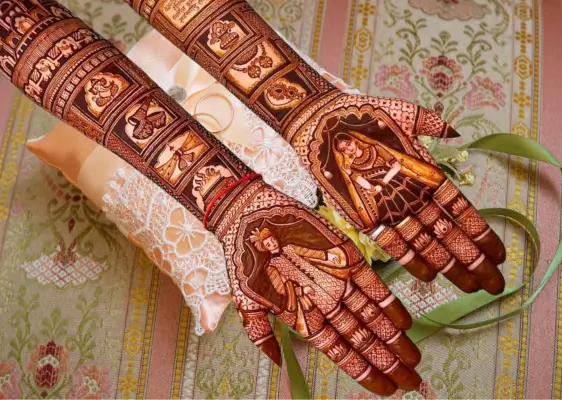
The actual start of a wedding is not the ring ceremony or the walk-down. It happens much earlier in a room that is filled with the pungent smell of henna and the beats of traditional folk songs. While the wedding is a grand spectacle for the world to witness, the Mehndi ceremony is a subtle ritual. The Mehndi ceremony serves as a transition ritual, weaving together the strands of the past and the future.
For a seasoned observer, the Mehndi ceremony is not merely a pre-wedding function. It is a mix of ancient knowledge, social bonding, and individual narratives. This is why the Mehndi ceremony serves as the vital core of the wedding celebration.
An Ancient Legacy Written in Henna
As we examine the origins of this tradition, we discover that Mehandi is one of the oldest forms of bridal decoration in the world, dating back over 5,000 years. It is a living bridge. When the bride touches the cool paste of the Mehandi on her palms, she is reaching out to a line of women that stretches across the continents and through the ages. This ceremony is a very earthy foundation upon which the couple can begin their new life together.
The Role of Bridal Mehndi in Wedding Ceremonies
It is more than just a cosmetic practice because the importance of mehndi lies in the fact that it symbolizes a joyful occasion of bonding for the bride with her most intimate female friends and relatives. It is usually a vibrant and musical occasion where the women of the family come together to apply mehndi, sing wedding songs, and share stories and laughter.
This social gathering is a support system in itself, where wisdom is shared, and the joy of the impending marriage is celebrated in its most unadulterated form. It is the transition from being a daughter to becoming a wife, and it is based on the foundation of sisterhood.
The Narrative of the Stain: A Map of Love
The Mehndi has been given a modern spin by the latest trends in bridal design, often sported by trendsetters such as Manyavar, and has evolved from simple designs into a customized biography. For 2026, the significance of the design is its customization.
Brides are no longer picking “Design #42” out of a catalog. They are now concealing their husband’s name in a vine forest or asking for miniature depictions of their first meeting. This approach makes the bride’s hands a guide to her life. The traditional belief that the darker the stain, the deeper the love, is a perfect metaphor: a marriage, like the henna, takes time, heat, and a hint of secrets to unlock its full potential.
The Fragrance of Memory
The Mehndi ceremony is the most important part of a wedding because it honors the person who is getting married. It shows that the best parts of a marriage aren’t the things we buy, but the stories we tell on our skin. The henna leaves behind its deep mahogany glow after it is washed off. This means that the bride is not only decorated but also grounded, supported, and ready for the journey ahead.
Leave a Reply